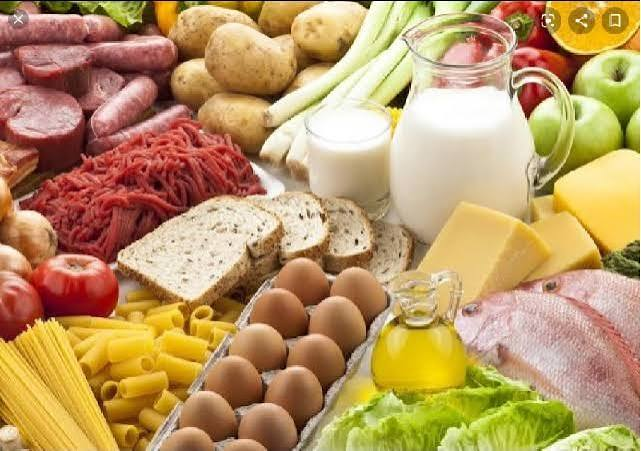
Healthy eating in Nepal is more important than most people realize. If you live in Kathmandu, life moves fast and food is usually the first thing that gets ignored. But what you eat every day directly affects your energy, focus, and how you feel.
But your body is not just a machine that needs fuel. It is a system that responds to what you feed it, and in a city with high pollution levels, irregular schedules, and rising stress, what you eat matters more than ever.
The problem with how most of us eat
Let us be honest. The typical food pattern for a young professional or student in Kathmandu looks something like this: skip breakfast, eat momo or chowmein for lunch, snack on biscuits in the afternoon, and have dal-bhat for dinner if there is time. On busy days, dinner becomes instant noodles.
This kind of eating is not just unhealthy but it is exhausting. Your blood sugar spikes and crashes throughout the day, your focus suffers, and by 3 PM, you are already tired even though you technically ate. This is why healthy eating in Nepal needs to be talked about more openly, especially for young people in cities like Kathmandu.
What happens when you eat well
The difference that proper nutrition makes is not subtle. Balanced meals include protein, healthy fats, and complex carbohydrates. Together they help your body and mind perform at a completely different level.
Your energy stays stable throughout the day. Focus and memory improve noticeably. Mood also becomes more consistent over time because gut health and mental health are deeply connected. And over time, your immune system becomes stronger, which is especially important in a city where air quality regularly affects respiratory health.
The Kathmandu-specific challenge
One of the biggest barriers to healthy eating in Kathmandu is convenience. Unhealthy food is fast, cheap, and everywhere. Healthy options exist, but they often require more effort to find, more time to prepare, or more money to afford.
This is exactly the gap that platforms like QuickBite Nepal are trying to fill by making nutritious, freshly prepared food just as fast and accessible as anything else in the city.
Small changes for Healthy Eating in Nepal
You do not need to eat perfectly every single day. Start with one healthy meal a day. Swap your afternoon biscuits for a handful of nuts. Replace one cup of chiya with a herbal tea or a fresh juice. These small changes add up over weeks and months.
Healthy eating is not a luxury for people who have a lot of free time. It is a practical investment in how well you perform, how long your energy lasts, and how you feel at the end of each day.
In a city as demanding as Kathmandu, that investment pays off faster than you think.
Leave a Reply